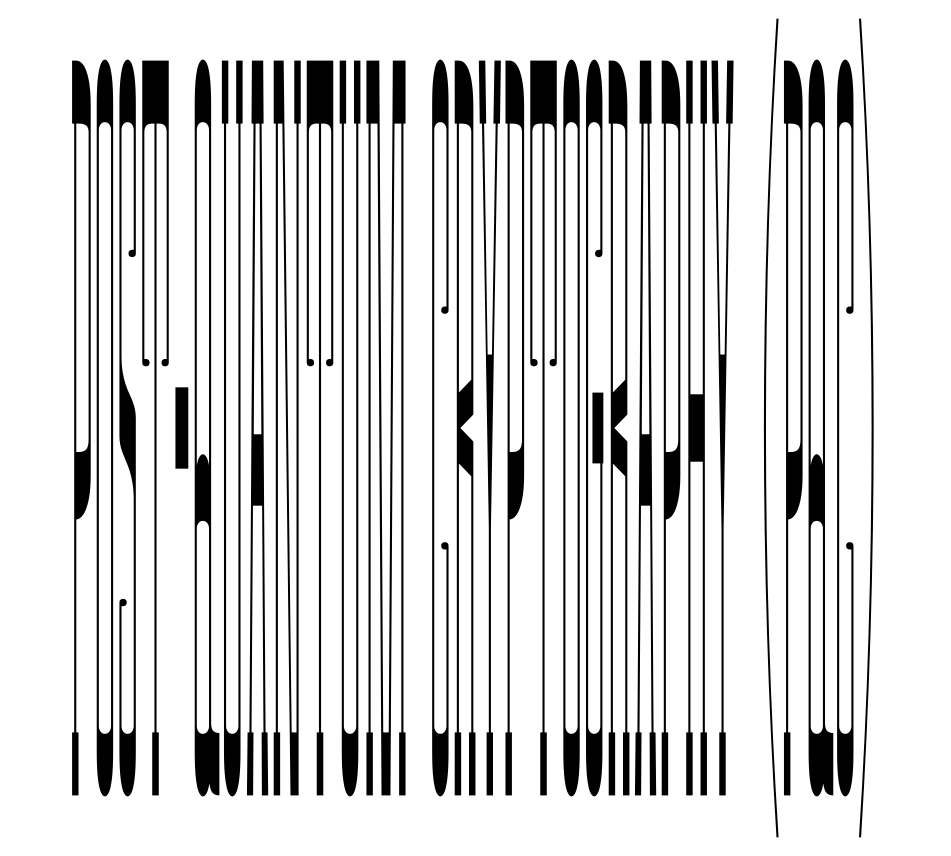
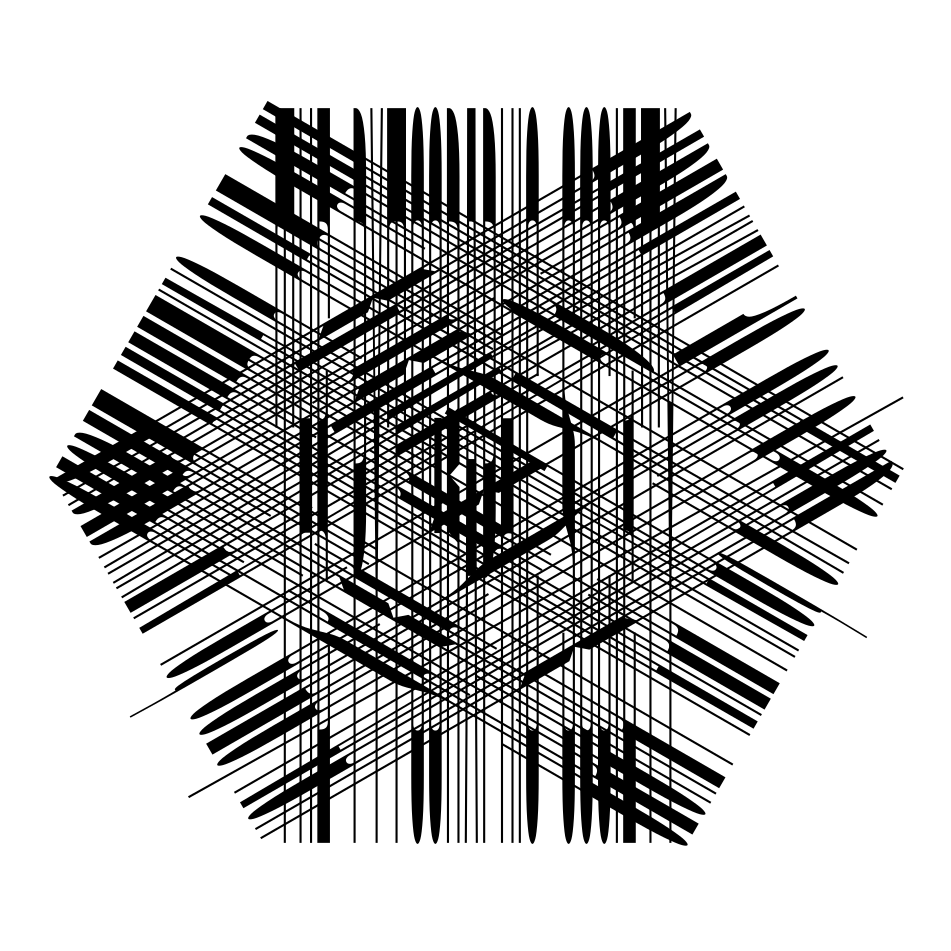
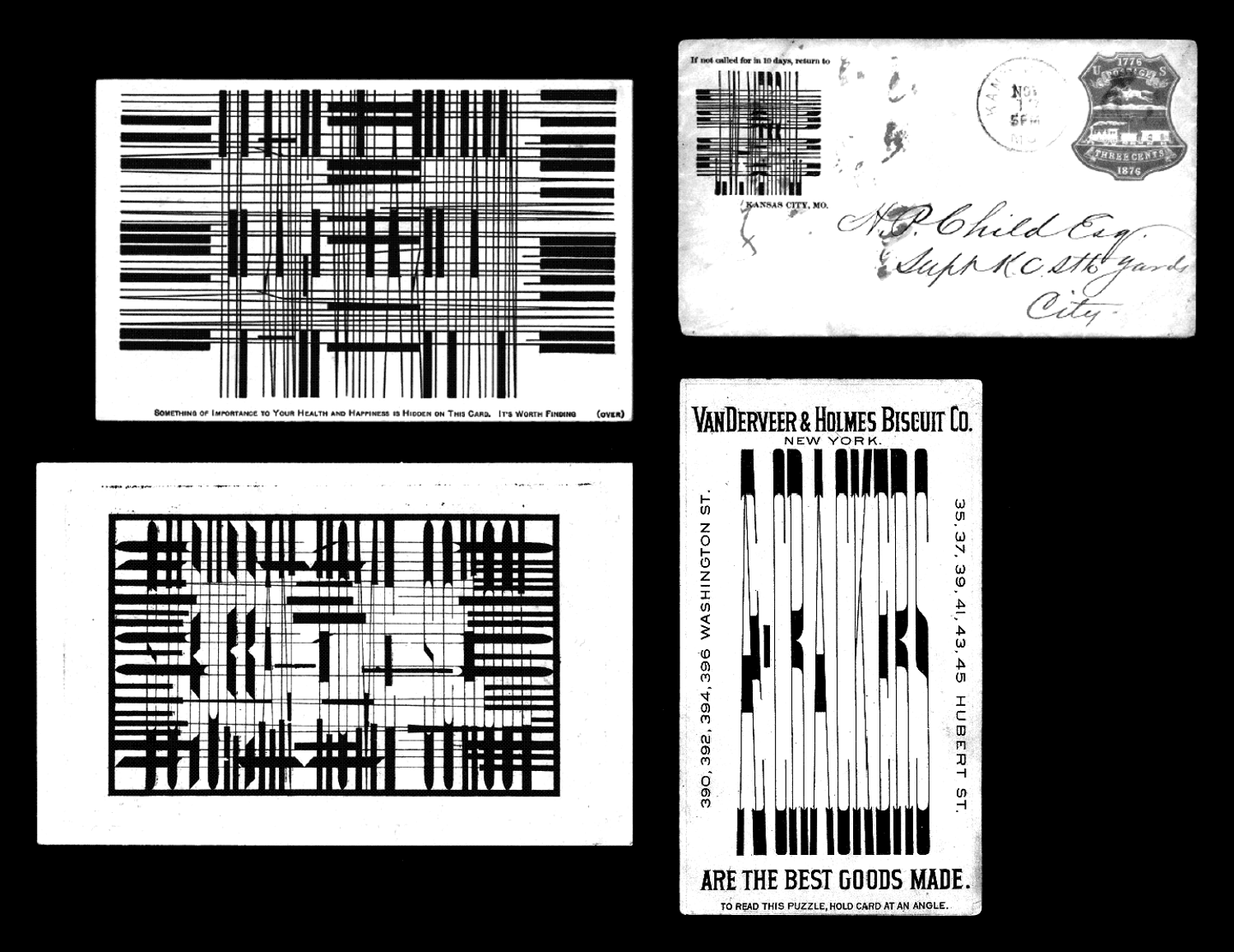
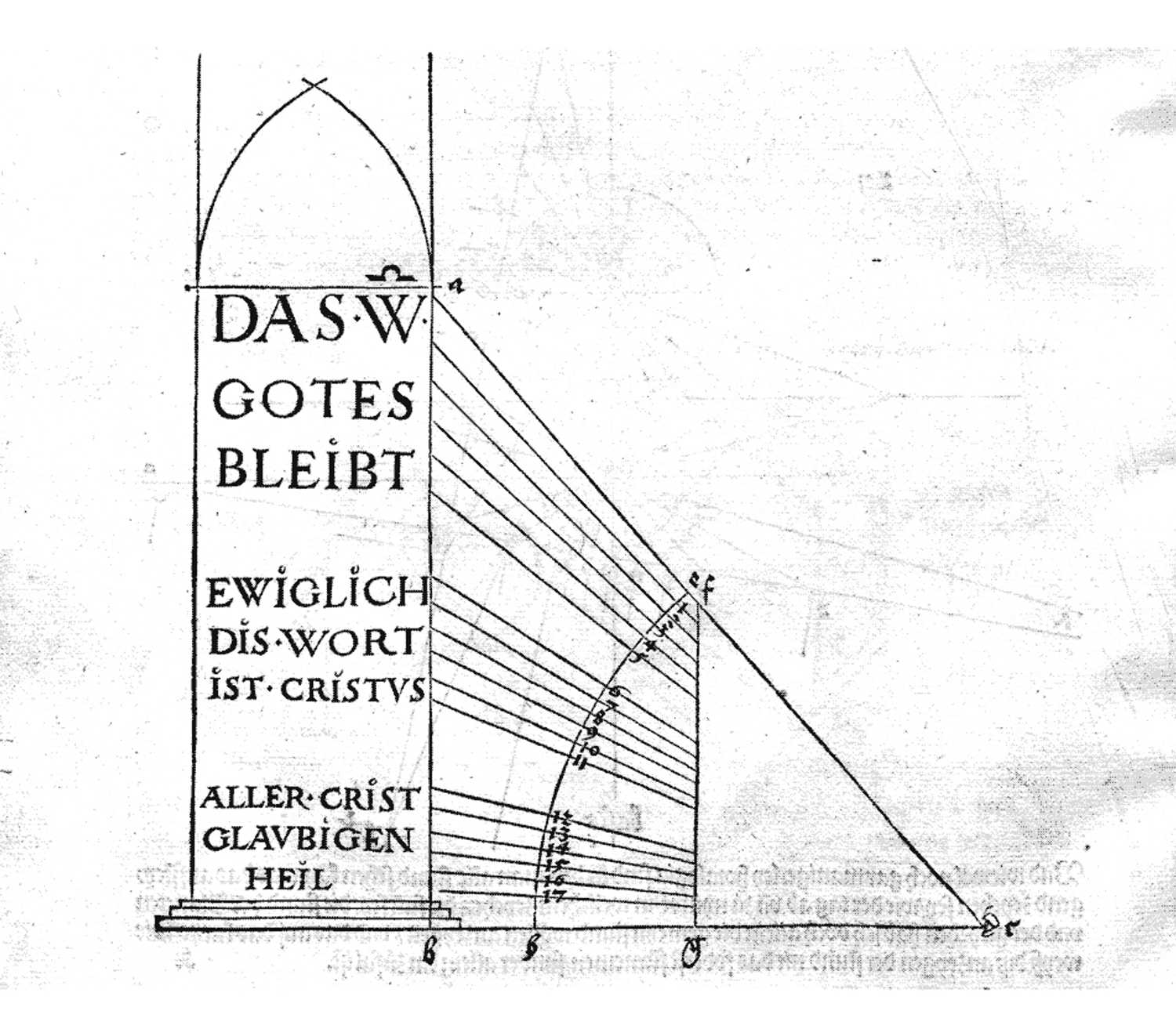
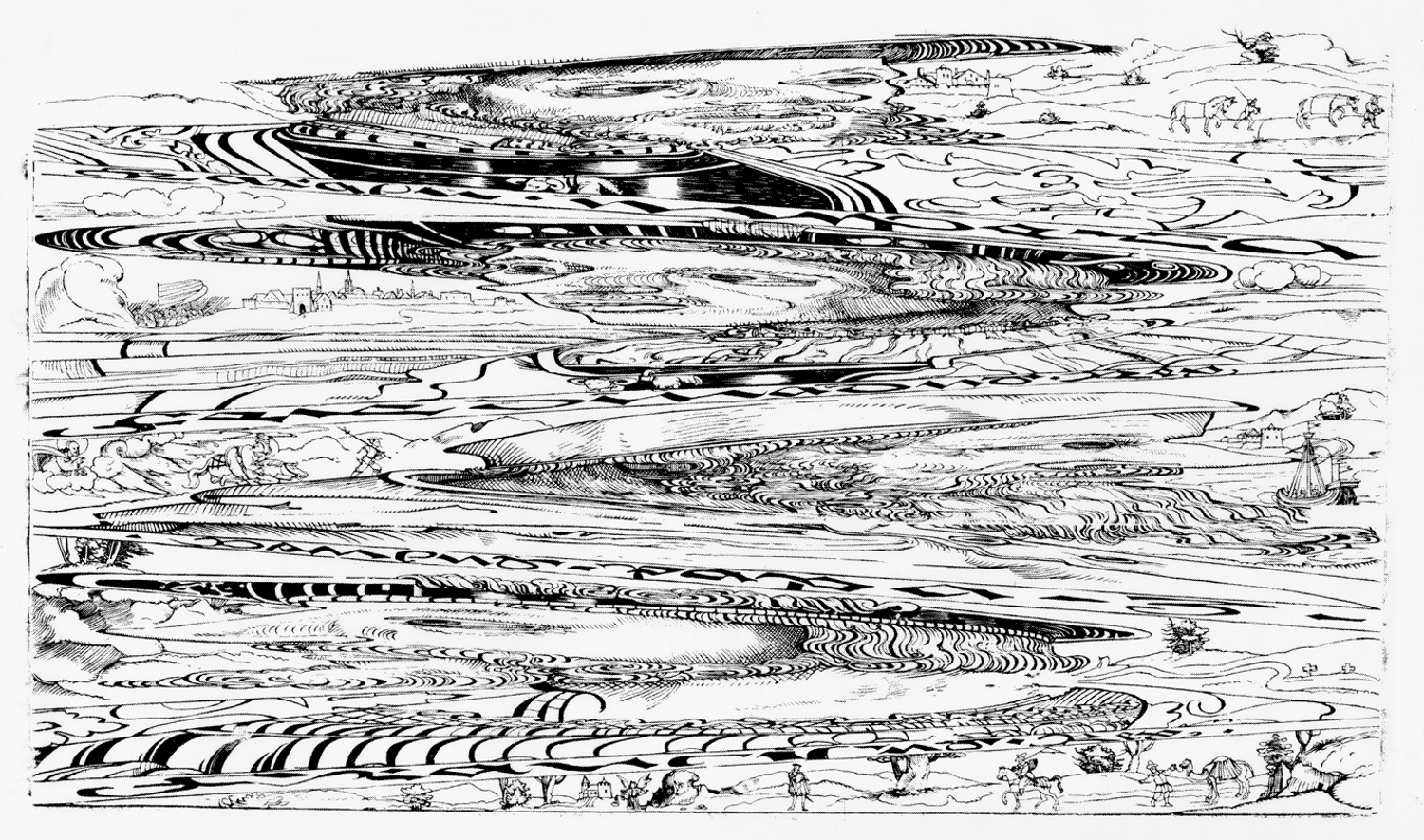
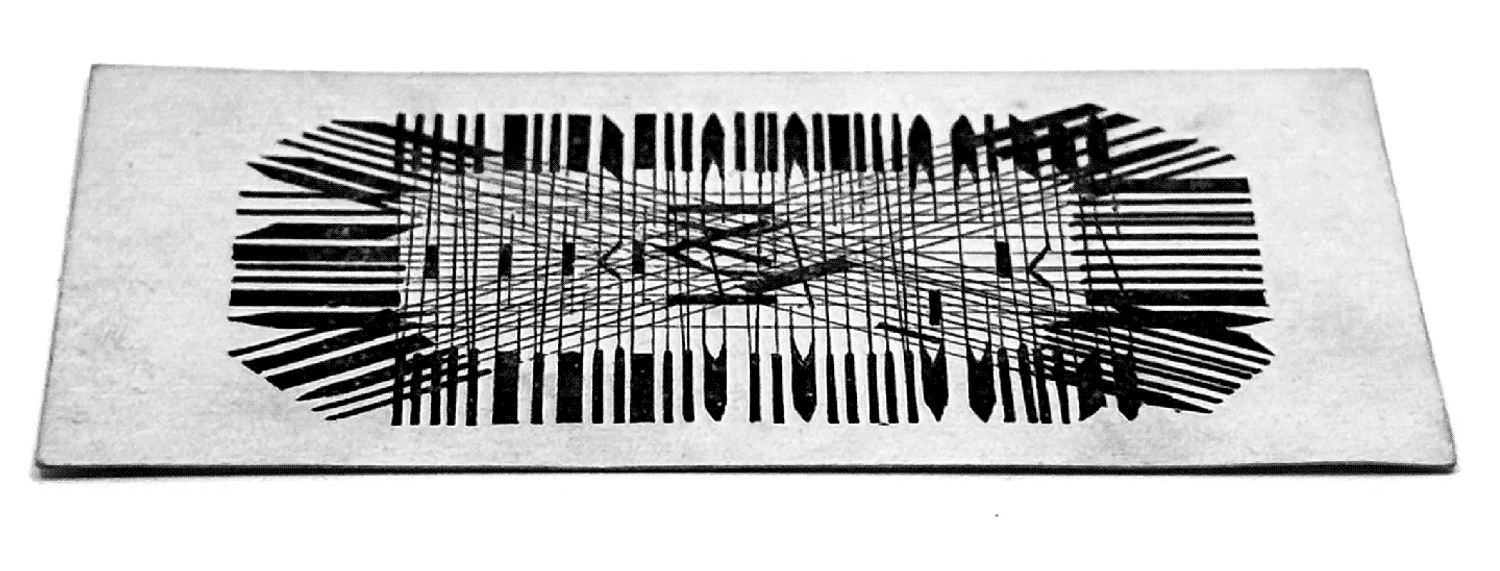
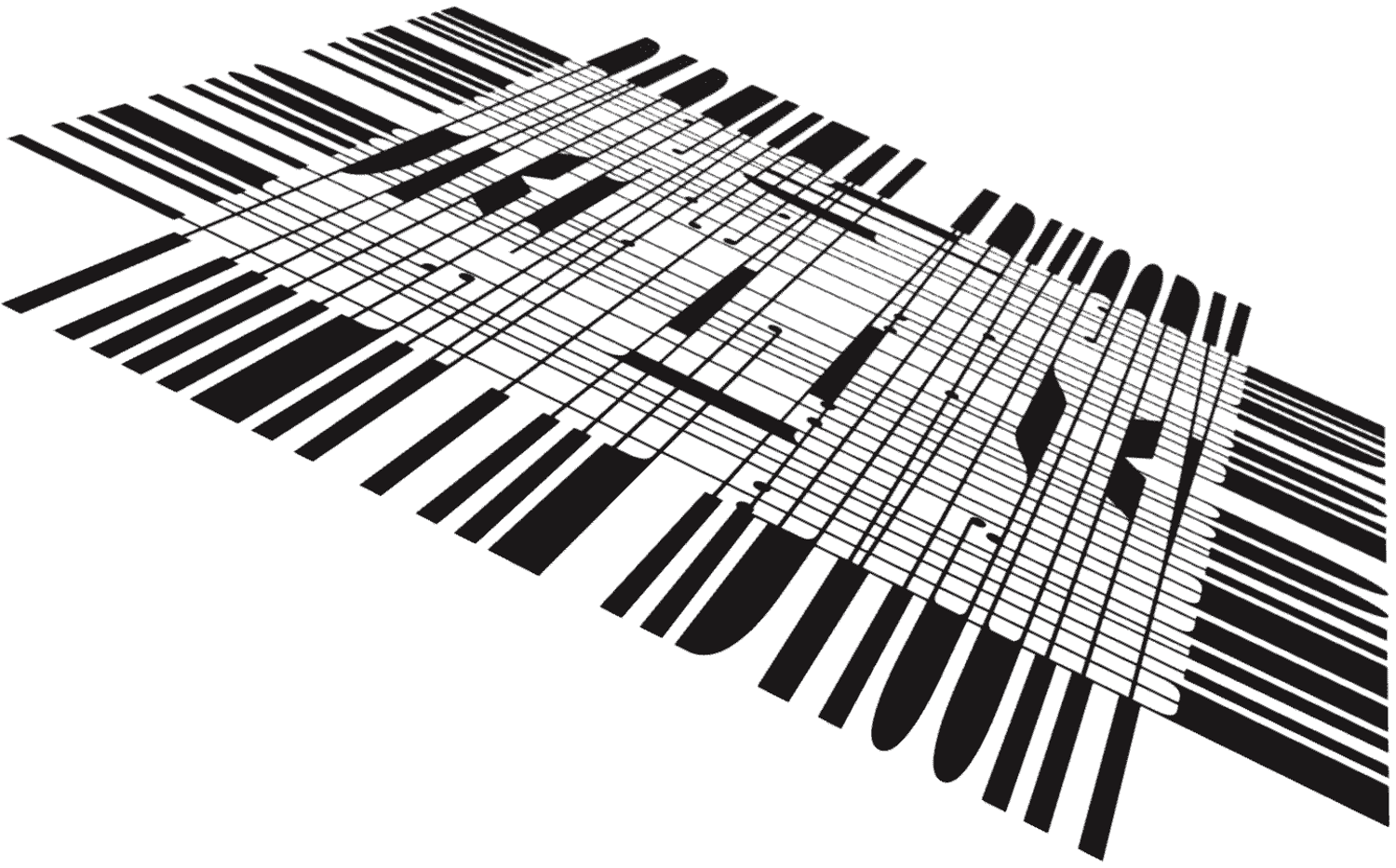
The Renaissance, with its fusion of science and art, its fascination for perceptional phenomenon, optical devices and geometric laws was crucial in the conceptualization of central perspective; the analysis of visual distortion from a subjective point-of-view.
Leonardo da Vinci (of course) is often claimed to be the first artist to indulge in deliberate deformation in this sketch from 1515. Yet, it was the 1530s and the transition from the ideals of the High Renaissance to what was latter coined Mannerism that can be declared the heydays of artistic anamorphosis.
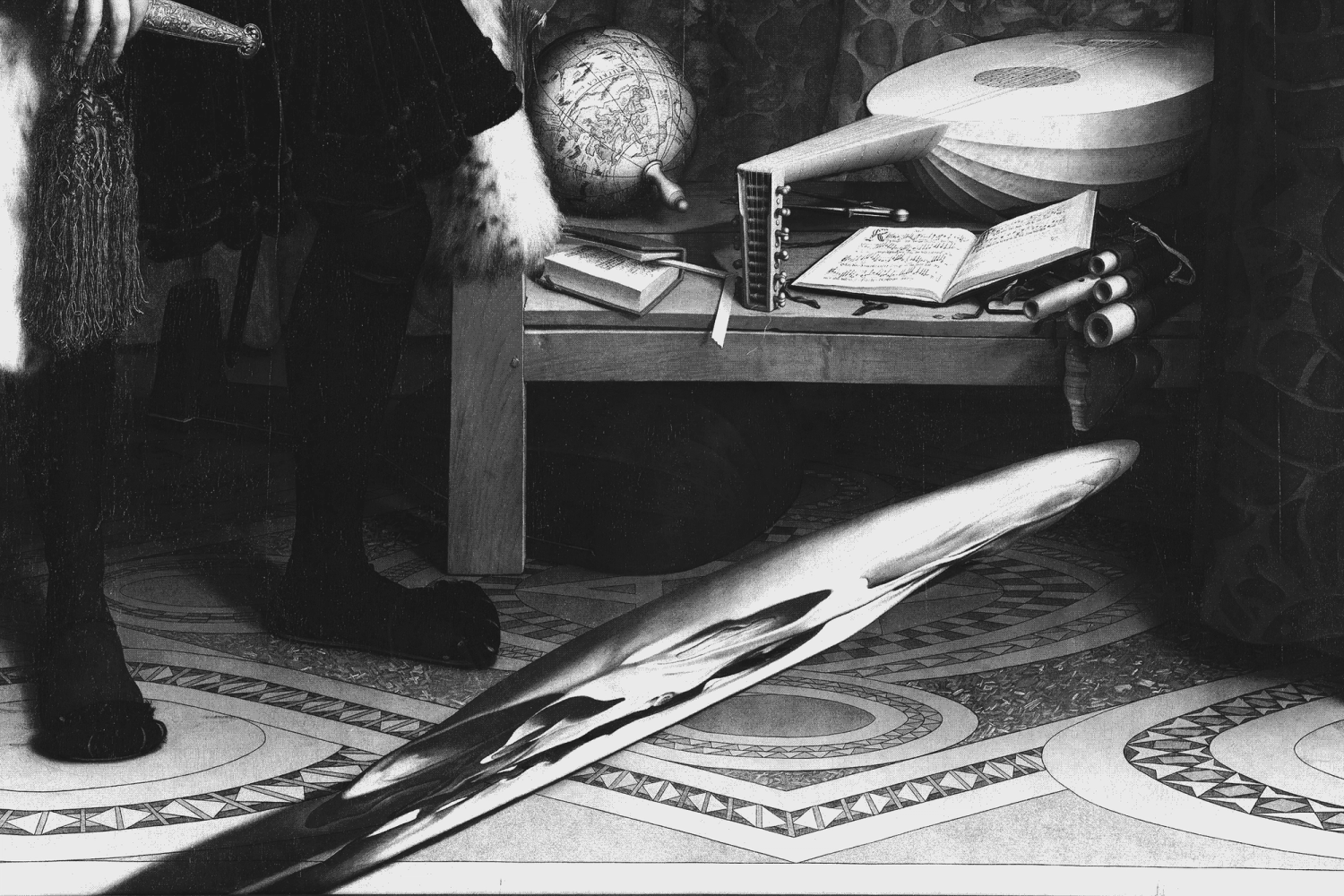
The most prominent example might be Hans Holbein the Younger’s masterpiece «The Ambassadors» from 1533. Depicting two nobleman with their physical and metaphorical possessions, the painting also sports a diagonally anamorphized human skull stretched over the lower quarter of the image.